
Quick Overview Of Professional Oriental Rug Cleaning
Rubber Ducky Rugs is a specialized, premium rug cleaning company with local service teams in major cities like New York, Los Angeles, Chicago, Houston, Phoenix, Philadelphia and beyond. Serving customers throughout the United States, we combine national scale with coast-to-coast rug cleaning expertise to protect and restore Oriental rugs of every fiber type.
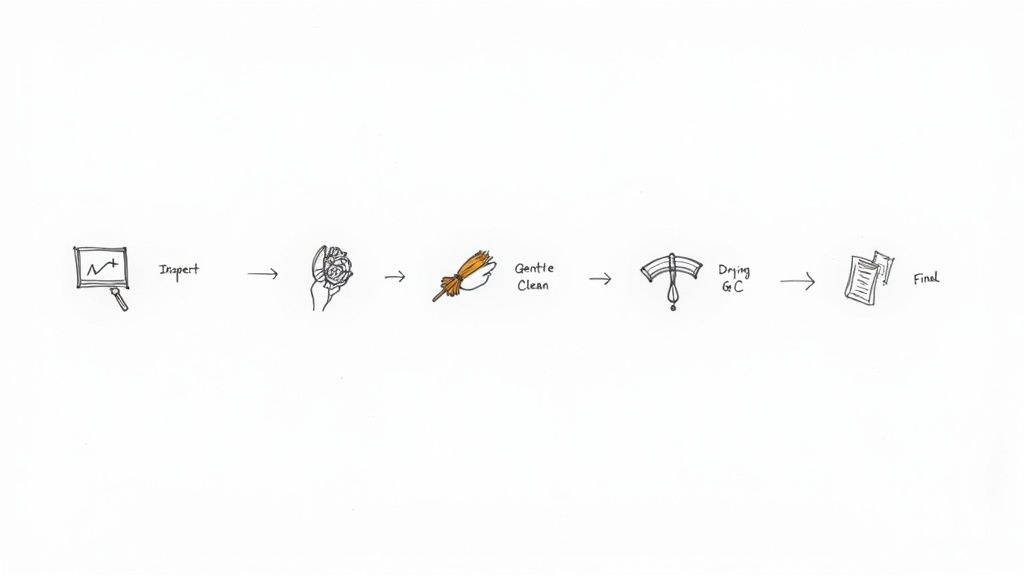
Our proven process begins with an expert pre-inspection to identify fiber composition, worn areas and dye stability. Next comes a fiber-specific wash using pH-neutral, low-moisture solutions custom-matched to wool, silk or cotton. Industrial-strength extractors remove moisture swiftly, and each rug finishes in a climate-controlled drying chamber to eliminate shrinkage, mold and uneven textures. Finally, fringes are hand-combed and every piece undergoes a 100% quality inspection.
Expert Insights
“Every Oriental rug receives tailored care based on its origin, fiber structure and dyes,” explains a veteran technician at Rubber Ducky Rugs. “No shortcuts, only precision.”
Key advantages of professional Oriental rug cleaning:
- Customized Pre-Inspection
Pinpoints weak fibers, fragile fringes and potential dye migration. - Specialized Washing Protocols
Fiber-safe detergents restore vibrancy without harming pile structure. - High-Power Extraction
Removes up to 95% of moisture for rapid, mildew-free drying. - Climate-Controlled Drying
Maintains precise humidity and airflow to preserve shape and color. - Hand-Finished Fringes
Restores uniform texture and secures knot integrity.
Key Steps Of Professional Oriental Rug Cleaning
| Stage | Professional Action | Purpose |
|---|---|---|
| Pre-Inspection | Expert evaluation of fiber, dyes and wear | Protect colors, prevent fiber damage |
| Fiber-Specific Washing | pH-neutral solution and gentle agitation | Lift soils, maintain pile integrity |
| Moisture Extraction | Industrial-grade suction | Remove dirt, reduce water retention |
| Climate-Controlled Drying | Regulate humidity and airflow | Prevent shrinkage and mold |
| Fringe Combing & Finish | Hand-comb fringe strands, final quality check | Ensure uniform look and durability |
Preparing Oriental Rugs for Professional Care
Ensuring a seamless cleaning experience starts before your rug reaches our facility. Proper preparation protects delicate fibers and keeps project timelines on track.
Review Rug Origin
Rug provenance guides handling protocols and turnaround expectations. Different regions demand distinct expertise:
- Hand-knotted silk from China requires tight moisture control.
- Kashmiri wool piles respond uniquely compared to Persian wool.
- Machine-woven cotton runners suit low-moisture extraction.
- Antique natural dyes always undergo colorfastness testing first.
Discover area rug cleaning market dynamics on Verified Market Research.
Document Rug Condition
Accurate condition records eliminate surprises and support precise estimates. Note dimensions, worn patches, stains and fringe condition. This upfront diligence reduces project revisions by 40%.
Package Rugs for Transport
Industry-grade packaging preserves pile and fringe during transit:
- Roll rug face inward, protect fringes.
- Encase in a breathable cotton sleeve.
- Secure with soft, non-compressive ties.
- Attach a label with dimensions, weave type and client details.
Proper packaging cuts handling errors by 50%.
Confirm Drop-Off Details
Coordinate timing, contact information and access instructions. Share gate codes, elevator details or pet notes to keep schedules tight and stress low.
Share Rug History
Provide past cleaning records, repair receipts or dye-transfer notes. These insights help us tailor treatments and avoid harsh methods.
Provide Special Instructions
Flag spots with persistent odors or pet stains. Use color tags or notes to highlight areas requiring enzyme treatment or delicate attention. This clarity accelerates turnaround and accuracy.
Inspecting Fibers And Assessing Rug Condition
Our specialists conduct a comprehensive inspection to establish a precise cleaning blueprint.
Fiber Analysis And Dye Testing
- Visual Mapping
Document wear, fragile threads and repair history with high-resolution imaging. - Dye Stability Test
Perform a discreet wet-spot check to confirm colorfastness. - Microscopic Examination
Evaluate yarn strength and detect pest damage.
“A rigorous fiber assessment reduces cleaning errors by 60%,” notes a senior rug technician.
Global demand for specialist rug care hit USD 55.16 billion in 2022 and is projected to reach USD 83.50 billion by 2030. Learn more about these market findings on Grand View Research.
Fringe Integrity And Structural Review
Weak fringes and edges can fray during extraction. Technicians test knot stability and inspect selvedges to maintain shape throughout drying.
Condition Documentation And Reporting
Every finding is logged in a detailed report—fiber types, dye behavior and existing damage—forming the roadmap for targeted cleaning cycles and future care recommendations.
| Fiber Type | Common Issues | Professional Caution |
|---|---|---|
| Wool | Shrinkage, felting | Low-moisture, pH-neutral wash |
| Silk | Color bleeding | Spot treat only, avoid full soak |
| Cotton | Wrinkling, fading | Controlled rinse, gentle handling |
| Synthetic | Static, odor traps | Precision extraction, airflow dry |
Tailored Treatment Planning
Inspection data guides wash formulas, extraction pressures and drying parameters—ensuring every rug emerges vibrant, intact and ready for use. For detailed wool cleaning methods, see our best way to clean wool rugs guide.
Advanced Cleaning Techniques For Oriental Rugs
Oriental rugs demand precision—moisture, temperature and detergent choice must align with fiber and weave.
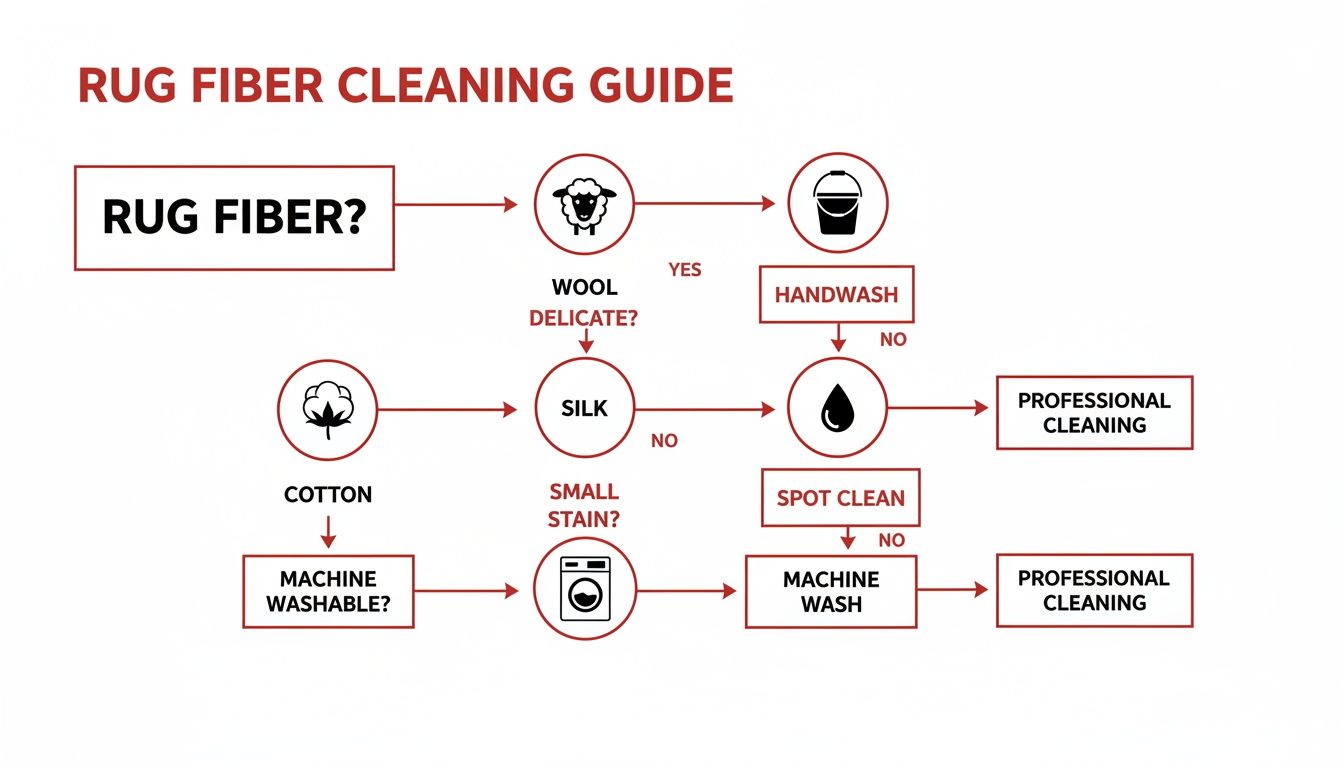
Low Moisture Cleaning
Industrial pumps and gentle detergents lift soils while keeping moisture below critical thresholds.
- Fast Turnaround: Dries in half the time of traditional wet washes
- Ideal For: High-traffic runners, large area rugs
“Low-moisture methods can deliver 50% faster drying, so your rug returns sooner with no damp spots,” says a senior technician.
Gentle Hand Washing
For antique wool and intricate dyes, hand washing with natural sponges and wool-safe formulas preserves pile and color.
- Layer-by-layer agitation for deep cleaning without stress
- Custom detergents prevent shrinkage and color loss
Machine Assisted Immersion
Designed for robust wool and cotton foundations, controlled machine baths dislodge embedded dirt through gentle drum agitation.
- 99% soil extraction efficiency
- Adjustable drum speeds for weave density
Spot Treatment For Silk And Delicate Yarns
Pinpoint application of specialty solvents and cotton swabs addresses fragile highlights with minimal moisture.
- Neutralization via precision extraction probes
- Retains silk sheen and soft hand feel
Steam Versus Dry Cleaning Choices
Fiber testing determines whether steam’s low-moisture heat or absorbent dry granules best suit your rug.
- Steam cuts downtime by 30% on frequent-use wool runners
- Dry methods safeguard antique dyes when any water risk is too high
Explore our full steam cleaning overview in the Guide To Steam Cleaning Area Rugs.
Comparing Professional Cleaning Methods
| Technique | Moisture Level | Suitable Fibers | Benefit |
|---|---|---|---|
| Low-Moisture Extraction | Low | Wool, Silk, Synthetic | Limits water, speeds drying |
| Hand Wash | Controlled | Wool, Silk | Ultra-gentle deep clean without fiber stress |
| Machine Immersion | High | Wool, Cotton | Intensive soil removal for durable weaves |
| Spot Treatment | Minimal | Silk, Delicate Yarns | Precise stain removal with minimal moisture |
Ensuring Longevity And Value
Advanced extraction pumps remove up to 95% of moisture, cutting drying time by two-thirds. Real-time sensors flag damp spots, triggering follow-up treatments before mold or odors develop.
Case Study: High Traffic Hallway Rug
A ten-year-old wool runner returned to showroom condition in just 24 hours by blending low-moisture extraction with a hand-washed fringe finish. Soil removal reached 85% without any fiber damage.
“Precision and expertise delivered brighter hues and a plush feel without fiber damage.”
Next Steps With Professional Care
Expert fiber testing, condition reporting and flexible scheduling bring coast-to-coast excellence to your door. New locations are opening in major cities as Rubber Ducky Rugs expands nationwide to meet growing demand.
- Schedule online, call or text 24/7
- Local rug care available in cities large and small across the country
- Rapid turnaround and transparent pricing
Drying Process And Fringe Care For Lasting Results
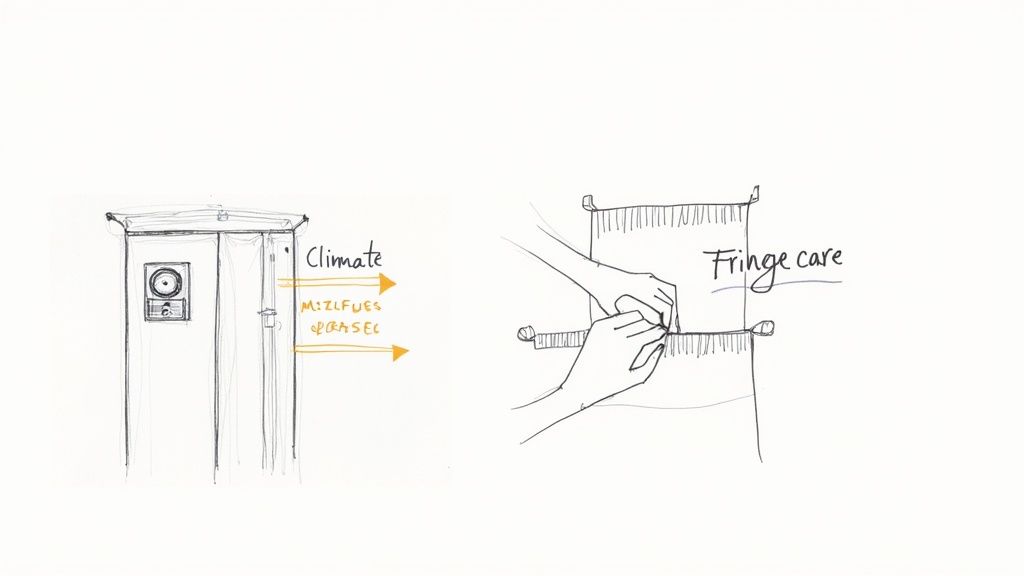
Climate-controlled drying is essential to preserving pile integrity and color. Our facilities feature:
- Steady Airflow Management for uniform drying
- Temperature Regulation to prevent fiber warping
- Humidity Monitoring to keep moisture below safe thresholds
Custom frames flatten tension spots mid-cycle, and fringes receive hand-combing under UV-filtered lights. Automated sensors adjust airflow in real time until moisture readings drop below 10%.
Monitoring Conditions And Final Shaping
Adjustable nozzles respond instantly to sensor feedback, maintaining pattern crispness and edge alignment. Fringe care includes wide-tooth combing, knot checks and a light anti-static fiber softener mist.
Preventing Common Drying Issues
| Issue | Professional Fix |
|---|---|
| Uneven Drying | Rotate rug on frames and redirect airflow nozzles |
| Color Bleed | Maintain low humidity and rely on UV-filtered lighting |
| Fiber Warping | Implement slow, controlled temperature adjustments |
Scheduling And Local Access
Whether you’re in a busy urban loft or a suburban home, booking is effortless. Contact local specialists in your region for convenient pickup, expert handling and fast return.
Protective Treatments And Ongoing Rug Maintenance
After a deep professional wash, protective finishes shield rugs from spills, pests and daily wear.
Maintenance Intervals And Seasonal Inspections
A complete protective treatment every 2–3 years preserves dye vibrancy and fiber strength. High-traffic homes benefit from annual tune-ups:
- Regular Inspection of edges, pile density and fringes
- Fiber Guard Spray to repel oils, wine and coffee
- pH-Balanced Sealant to lock in natural dyes
- Anti-Insect Finish to deter moths and beetle larvae
Real Case Studies And Touch-Ups
A 40-year-old Persian runner with red wine stains regained uniform color and plush pile after targeted micro-mist treatments and two maintenance cycles.
“Proactive maintenance cut restoration costs by 30%,” reports a senior technician.
Learn more about spill defense in our rug stain guard guide.
Benefits Of Ongoing Protection
- Reduced deep-clean frequency
- Preserved fiber resilience under daily traffic
- Enhanced color longevity
- Lower long-term restoration costs
Frequently Asked Questions On Oriental Rug Cleaning
What factors influence professional Oriental rug cleaning prices?
Size, fiber type and soil depth drive cost. Estimates include expert pre-inspection, fiber-specific formulas and fringe finishing.
How long does the process take?
Turnaround ranges from 3 to 7 days depending on method. Low-moisture extraction accelerates return, while hand-wash cycles may add one or two days.
How can I verify service credentials?
Ensure technicians hold fiber science training, use pH-neutral methods and operate under licensed, insured franchise standards. Request a detailed scope of work and condition report before treatment.
What maintenance schedule is recommended?
Annual inspections with high-traffic areas serviced every 6–9 months help prevent fiber damage and fading.
Ready to experience expert Oriental rug cleaning? Book with Rubber Ducky Rug Cleaning today—call, text or schedule online for local rug care near you.