If you're in Birmingham, Hoover, Vestavia Hills, Mountain Brook, or Homewood and your carpet looks clean until cat hair shows up on your socks, another quick vacuum pass probably won't fix the problem. The fur you can see is only part of what's caught in the pile. Fine dust, dander, and pet odors can remain in a rug even after the loose hair is gone.
Dry, careful maintenance can help with everyday shedding. But when hair is buried in a delicate area rug, or the rug still smells of urine after surface cleaning, it's time to stop treating the problem as cosmetic. A professional wash is designed to clean the rug itself, not just its visible surface.
Why Cat Hair Stays in Birmingham Carpets
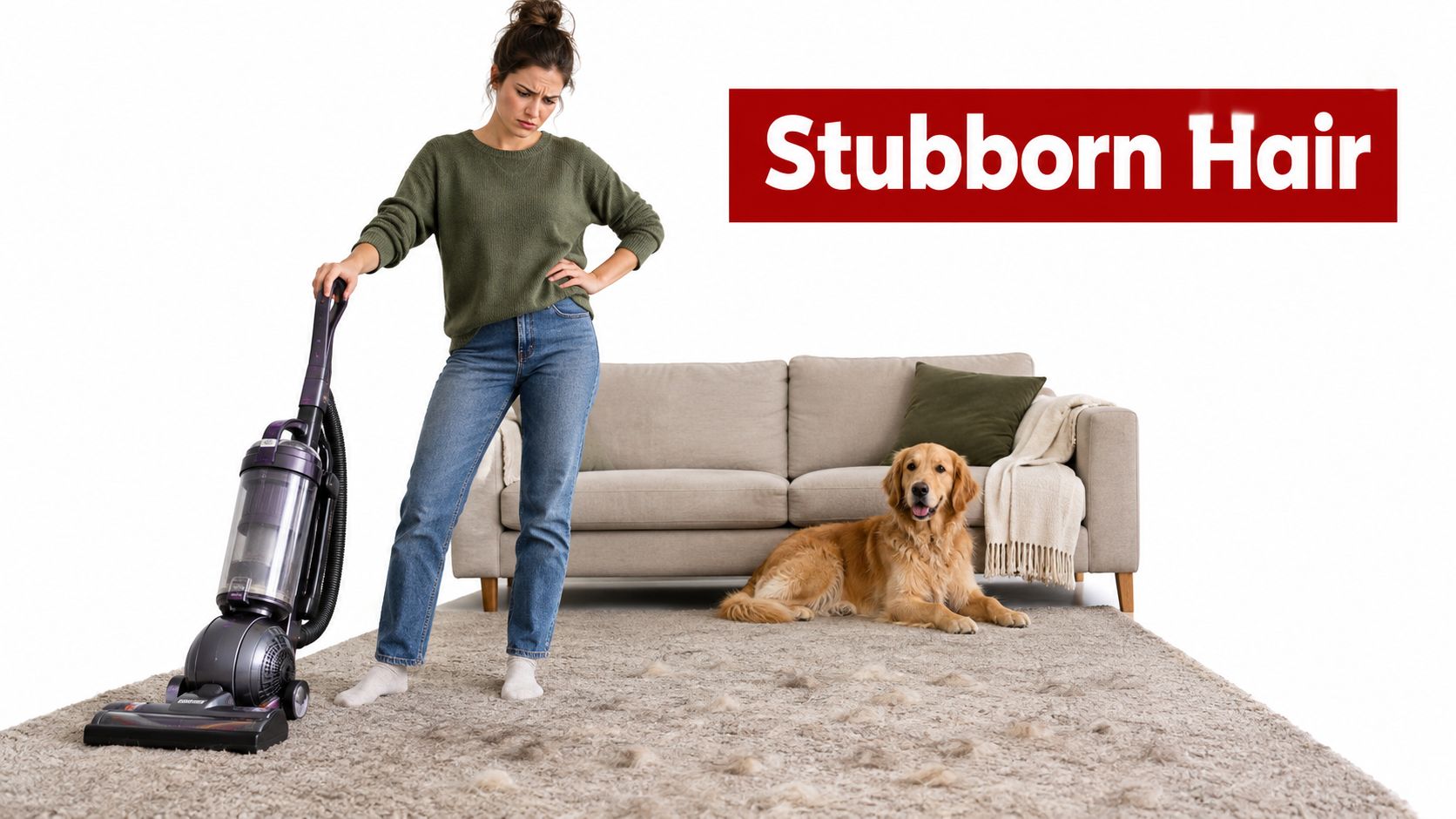
A familiar scene in a Birmingham living room: you vacuum, the carpet looks better, and then hair appears again around the sunny corner where your cat naps. In homes from Vestavia Hills to Homewood, that stubborn return isn't necessarily a sign you're using the vacuum incorrectly. Carpet fibers hold onto hair through friction and static, and a fast pass may skim over fur that's worked farther down into the pile.
Red-clay grit tracked indoors and ordinary household traffic can add to the debris caught between fibers. Meanwhile, a cat's saliva, skin secretions, and dander contribute fine particles that aren't as easy to spot as fur. Those particles settle into carpet and soft furnishings, so the spot where your cat rests can hold more than the loose hair you see on top.
The pile holds more than visible fur
A controlled environmental study published in 1991 found that carpet accumulated about 100 micrograms of Fel d 1 per day, compared with about 0.5 micrograms per day on polished flooring, a roughly 200-fold difference. The study also found that effective control of airborne allergen depended on cleaning the floor first, underscoring why removing loose fur alone may leave material trapped in the carpet (1991 environmental study of cat allergen).
That's why a lint roller or a single vacuum pass can make the room look tidier without removing everything embedded in the pile. Fel d 1 can remain in carpets and furnishings for months, even after obvious hair has disappeared. Surface cleaning is useful, but it shouldn't be mistaken for a complete clean.
Practical rule: Treat cat hair and fine, settled dust as related but different cleaning problems. Remove loose hair and grit first, then address the finer material that ordinary surface care can leave behind.
Why Visible Fur Is Not the Whole Problem
Removing visible fur doesn't necessarily remove the allergen. Fel d 1 is produced primarily in a cat's skin and glands, then carried on fur, skin particles, and settled dust. That means carpets, upholstery, and bedding can remain reservoirs after loose hair has been picked up.
A study involving 52 families with allergic children tested central vacuums, older vacuums with tannic-acid or placebo treatment, and new vacuums with HEPA or microfilters. Under the study conditions, central, microfilter, and HEPA-filter vacuums didn't reduce measured Fel d 1 concentrations or the total allergen amount per sampled area. Tannic-acid treatment initially reduced concentration and total amount by 30%, but the effect lasted only about a week; levels returned to baseline after 21 to 35 days. Homes visited by cats or cat owners also experienced 10- to 30-fold increases in allergen levels (study of allergen-reduction methods in homes).
Those results don't make vacuuming pointless. It still collects loose fur and dust. They do show why vacuuming alone shouldn't be treated as a guarantee of allergen removal, or as a one-time solution when a cat continues to bring allergen into the home.
Cleaning the rug is one part of a wider plan
A review of indoor allergen interventions found the evidence connecting those interventions with asthma improvement to be limited or inconclusive. A study of homes with pets identified carpet as a major pet-allergen reservoir, while also finding allergen on walls, hard floors, and furniture. The American College of Allergy, Asthma and Immunology notes that carpet cleaning may have little effect if a pet continues producing allergens throughout the home (clinical review of indoor allergen interventions).
The practical takeaway is straightforward: hair removal can be cosmetic, while lasting allergen reduction requires attention to more than the carpet's visible surface. Pair regular cleaning with suitable filtration and ventilation, and don't overlook the soft furnishings where dust can settle. For Birmingham homeowners seeking rug-specific cleaning, Rubber Ducky's allergen-reduction service addresses the rug as part of that broader effort. If symptoms persist, discuss environmental control with a medical professional instead of relying on repeated spot-cleaning alone.
A Safer Routine for Removing Cat Hair from Carpet
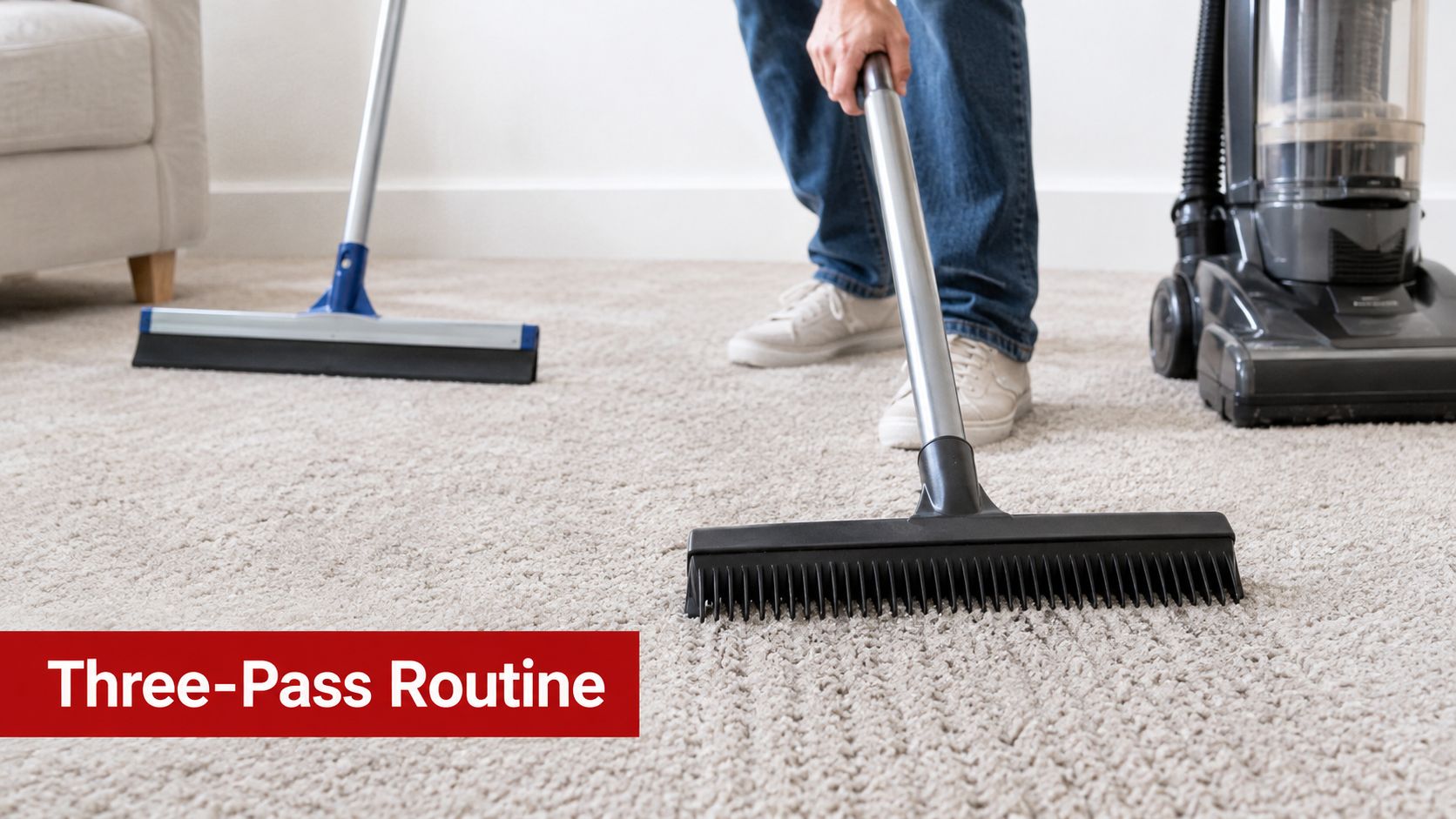
For everyday shedding on wall-to-wall carpet or a sturdy area rug, use a dry, three-pass routine. The order matters: loosen fur from the pile, collect it with the vacuum, then detail the places a broad floor head misses. Don't start by wetting the carpet. Moisture can mat fur into tufts and load the brush, making removal harder.
Follow the three passes
Loosen the pile. Use a rubber carpet rake or squeegee in short, overlapping strokes. Keep your pressure controlled and gather the loosened hair rather than forcing the tool through the fibers.
Vacuum slowly in two directions. Use a sealed vacuum with a motorized brush head. Move with the pile first, then at a right angle or against it to expose fibers the first direction may miss. Set the height so the brush contacts the pile without stalling, and empty the dust container when airflow starts to drop.
Detail the edges and resting spots. Use a crevice or upholstery tool around corners, beneath furniture, and where your cat likes to sleep. Those spots often need more attention than open carpet because fur collects where your pet spends time.
For allergy-sensitive occupants, use a vacuum with HEPA filtration. Vacuum while they're out of the room, then ventilate before they return, following the U.S. EPA's vacuuming guidance for allergy-sensitive households. Weekly vacuuming is a baseline for carpet and upholstered furniture; homes with shedding cats or heavy traffic in Trussville, Pelham, or Gardendale generally need more frequent passes.
Don't rake aggressively over looped, hand-woven, or fragile rugs. If you're weighing other practical choices for a home with pets, this guide to choosing durable furniture for pet homes offers related considerations. For a delicate rug, use gentler care and stop if the fibers begin to fuzz or pull.
Which Rugs Need a Different Approach
A rubber tool that works well on sturdy carpet can damage a fragile rug. Construction, fiber, and wear all affect how a floor covering responds to cleaning. Low-pile, low-density carpets with fibers that have less surface area are generally easier to clean, while the same aggressive scraping that gathers hair from a durable surface can fuzz a delicate weave.
Wool needs particular care. Research on wool carpets found that Fel d 1 extraction was higher from relatively new carpets than from more worn ones. Wet vacuuming was only slightly more effective than dry vacuuming on worn carpets, so a worn rug that continues to hold hair isn't automatically a candidate for more force or moisture (research on allergen extraction from wool carpets).
Match the care to the construction
| Rug or carpet | Safer at-home action | Stop and call a pro when |
|---|---|---|
| Low-pile, low-density carpet | Use controlled rubber agitation, then vacuum in more than one direction. | Hair and embedded dust remain after careful dry cleaning. |
| Durable synthetic or outdoor rug | Use a gentle rubber tool and vacuum, following the rug's care instructions. | The rug has persistent odor, staining, or signs of wear. |
| Loop-pile carpet or rug | Vacuum carefully; avoid forceful raking that could catch loops. | Loops pull, fibers fuzz, or hair stays embedded. |
| Wool or hand-woven rug | Use gentle vacuuming; avoid aggressive scraping and untested wet methods. | Hair, odor, or soil persists, or the weave appears fragile. |
| Silk, oriental, antique, or heirloom rug | Keep DIY care limited to gentle surface removal. | Any deeper cleaning is needed or dyes and fibers need inspection. |
Visible hair can disappear while fine allergen-bearing dust remains. And if an older rug keeps holding debris after careful surface care, the question may be restoration or replacement, not which new household tool to buy. For a fragile Birmingham rug, a specialist should inspect its dyes and weave before anyone applies a wet method. These rug choices for pet households may also help when considering how a rug's construction fits a home with pets. If you have shag, don't assume a steam cleaner is safe; check the rug's material and care needs first with this guide to steam cleaners and shag rugs.
How Rubber Ducky Cleans Pet Hair and Odors
A home carpet cleaner can treat carpet in place, but it can't wash a loose area rug in the controlled way a rug facility can. With a rug, the hidden load may include hair, dry grit, sand, and odor residue below the face fibers. Wetting the rug on the floor without first addressing what's trapped inside can leave the deeper soil behind.
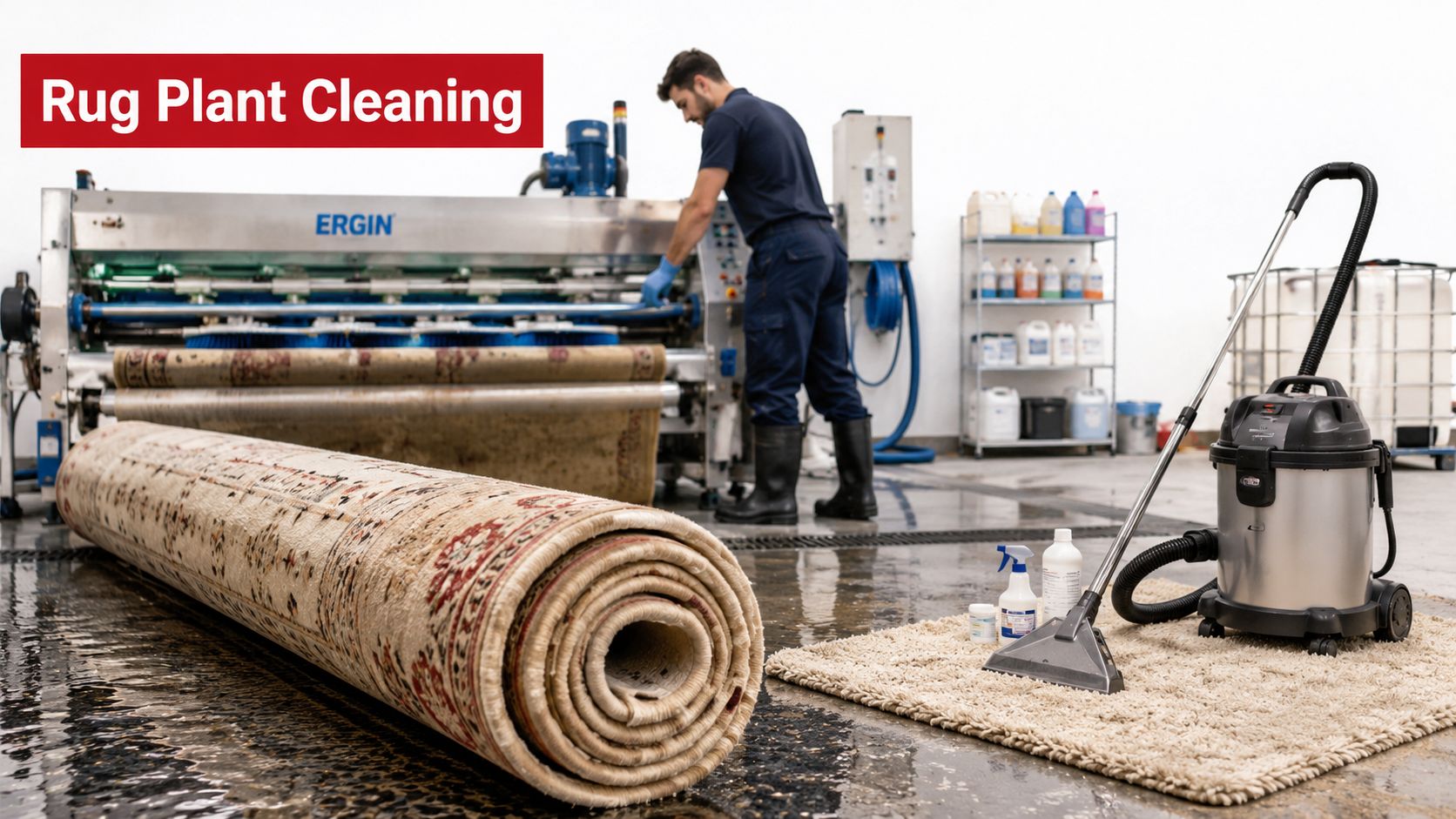
Rubber Ducky Rug Cleaning in Birmingham offers a pickup, washing, drying, grooming, and return process for area rugs. The work begins with inspection and mechanical dusting tumblers that gently shake out embedded dry soil before washing. The rug is then immersed in a custom wash tank with detergents selected to lift soil while protecting its dyes and fibers.
From pickup to return
A mechanical rinse, including a patented infusion rinse, removes cleaning residue that could attract new soil. The rug then dries in a climate-controlled room where temperature and humidity are managed. Staff hang it straight to limit shrinkage, then brush the pile to restore its feel and appearance before returning it to its original location.
For busy households in Alabaster, Helena, and Homewood, pickup and return mean you don't have to soak a rug on the floor and manage the drying yourself. If you're also comparing ways to address pet odor around the home, Aquastar Cleaning Services' pet odor guide provides related information. But when the smell is in a rug, surface hair removal won't treat the whole problem.
Urine can damage more than the surface
Pet urine can affect dyes immediately, or chemical changes can develop over days or months. It can also weaken or destroy fibers as it decomposes, creating persistent odor. The Institute of Inspection Cleaning and Restoration Certification notes that damage may be hidden until cleaning removes the soil that concealed it, and ultraviolet light may be needed to locate some affected areas (IICRC guidance on pet-related damage to rugs and furnishings).
That's why a urine-smelling rug needs more than a pass over the visible spot. A professional inspection and fiber-appropriate wash can address embedded soil while helping identify potential dye or fiber damage. For valuable, delicate, or visibly affected rugs, don't keep scrubbing and hoping the odor will lift.
When Birmingham Homeowners Should Schedule Pickup
Routine shedding on durable carpet is a maintenance job. Keep loose fur under control with dry mechanical care, and arrange professional washing when embedded soil, odor, or allergy-related dust returns. If your rug keeps releasing hair after careful vacuuming, especially when it's wool, oriental, or worn, stop escalating the force. The construction may need professional assessment rather than another DIY tool.
Urine, persistent odor, or discoloration calls for a closer look. Dye changes and fiber damage can be difficult to judge from the surface, and continued scrubbing may make a delicate rug worse. Homeowners in Birmingham, Hoover, Vestavia Hills, Mountain Brook, and nearby Shelby and Jefferson County communities can choose professional pickup when they'd rather have the rug cleaned away from the home than soaked on the floor.
If the rug has been wet from a leak or overflow, don't treat deodorizing as the solution. The CDC advises drying wet household materials as quickly as possible, ideally within 24 to 48 hours, and identifies carpeting that stays wet for more than 48 hours as a potential mold source when it can't be thoroughly cleaned and dried (CDC guidance on drying wet materials and preventing mold). A water-affected rug needs moisture extraction and a full drying assessment, not just a surface freshening.
For an area rug that needs off-site care, pickup and delivery rug cleaning in Birmingham can take it from your home for professional washing and return it to its place. Keep loose hair down with dry maintenance between washes, then schedule fiber-safe cleaning when the rug's smell, soil, or dust tells you surface care isn't enough.
Rubber Ducky Rug Cleaning Birmingham offers rug pickup, facility washing, controlled drying, and return for area rugs affected by cat hair, odor, or embedded soil. Request an estimate or schedule a pickup through Rubber Ducky Rug Cleaning Birmingham to get your rug assessed and cleaned.