
Before you start cleaning your oriental rug, stop. The most critical part of the entire process happens before a single drop of water touches the fibers. This is the diagnostic phase, and skipping it is the fastest way to turn a simple cleaning job into a permanent mistake. This guide will walk you through the proper steps, but for delicate or valuable rugs in Birmingham, professional rug cleaning is always the safest choice.
Your First Steps for Safe Oriental Rug Care
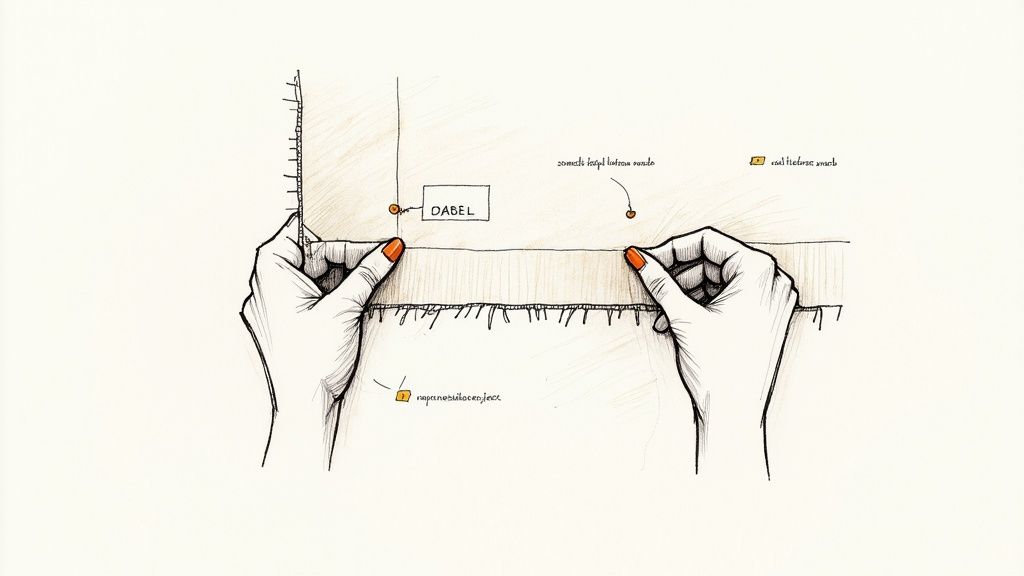
A thorough inspection isn’t just a suggestion; it’s non-negotiable. This is where you become a detective, learning everything about your rug’s construction, condition, and weak points. Without this knowledge, you are cleaning blind.
Think of it this way: a cleaning method that works for a tough wool rug could destroy a delicate silk heirloom. Many well-intentioned homeowners in Birmingham and Homewood have learned this lesson the hard way. Rubber Ducky Rug Cleaning is here to make sure you are not one of them.
Perform a Detailed Rug Inspection
First, lay your rug out flat in a well-lit room. Get down and examine it, section by section, front and back.
Here is what you are looking for:
- Weak Spots & Damage: Check for frayed edges, moth damage, loose fringe, or any areas where the foundation feels weak. Cleaning can easily make these problems worse.
- Stain History: Do your best to identify the stains. A set-in pet stain needs a completely different treatment plan than a fresh coffee spill.
- Fiber Type: Get a feel for the material. Is it wool, silk, cotton, or a blend? Wool has a slightly coarse, springy feel. Silk is incredibly smooth and has a unique sheen. Cotton is often used for the rug's foundation.
Knowing exactly what you are working with is everything. This is why professional rug cleaning is a growing industry. The global area rug cleaning services market was valued at USD 1.27 billion in 2023 and is expected to grow as more people realize the value of proper care from specialized rug washing experts.
To help you get started, here is a quick cheat sheet for identifying what your rug is made of.
Rug Fiber Identification and Care Checklist
This quick reference guide will help you identify common Oriental rug fibers and understand their specific cleaning sensitivities before you begin.
| Fiber Type | Key Identifiers | Primary Cleaning Concern |
|---|---|---|
| Wool | Feels slightly coarse, springy, fire-resistant. | High pH cleaners can damage fibers. Prone to shrinkage. |
| Silk | Very smooth, high sheen, strong but delicate. | Extremely sensitive to water, heat, and agitation. |
| Cotton | Soft, no sheen, often found in the foundation. | Prone to browning/yellowing and stretching when wet. |
Getting the fiber type right is the first major hurdle. Once you have done that, it is time for the most important test of all.
The Critical Colorfastness Test
If you only do one thing from this guide, make it this. Hand-knotted rugs, especially older ones, often use vegetable dyes that can be unstable. Add water, and those beautiful, intricate patterns can turn into a blurry, bleeding mess.
Here’s how to check for colorfastness:
- Grab a clean, white cotton cloth.
- Dampen a corner of it with cool water and a tiny drop of the mild soap you plan to use.
- Find a small, hidden spot on your rug—a corner on the backside is perfect.
- Gently blot (do not scrub!) the spot for about 30 seconds.
Now, lift the cloth. Is there any color on it? Even a faint trace of dye means your rug is not colorfast. At this point, do not proceed with any wet cleaning. Your only safe move is to call a professional rug cleaning service.
For anyone in Vestavia Hills, Mountain Brook, or nearby Alabama communities like Tuscaloosa and Huntsville, this is the moment to trust an expert. Rugs with running dyes require specialized techniques and pH-balancing treatments to stabilize the colors during a wash—something that is impossible to replicate at home.
If the cloth comes away perfectly clean, congratulations. Your rug's dyes are stable, and you can confidently move on to the next step. If you want to learn more about why professional care is so vital for delicate rugs, our guide on professional rug cleaning in Birmingham, Alabama is a great resource.
Getting the Dry Soil Out—The Right Way
Most people think a big red wine spill is the worst thing that can happen to an oriental rug. The real danger is much quieter. It is the dry, gritty soil that gets tracked in every single day.
Every footstep grinds tiny particles of sand and dirt deep into the rug's pile. These sharp bits act like sandpaper, slowly cutting and severing the delicate wool or silk fibers at their base. Over time, this is what creates worn-down traffic lanes and makes the colors look dull.
This abrasive grit is the #1 reason rugs wear out prematurely. The good news? Getting it out is the single most important thing you can do to protect your investment.
Hold On—Your Vacuum Might Be the Problem
Grabbing your household vacuum seems like the logical first move, but it can be a costly mistake. The culprit is the beater bar—that aggressive spinning brush designed to fluff up synthetic wall-to-wall flooring. On a hand-knotted oriental rug, it is a recipe for disaster.
A beater bar can, and often does:
- Snag the pile and rip the knots out.
- Catch and chew up the fringe, which is part of the rug's core structure.
- Break down the wool fibers, causing them to fuzz and wear thin.
We have seen this countless times from well-meaning homeowners all over the Birmingham area, from Homewood to Hoover. They use the wrong tool for the job and cause permanent damage.
How to Vacuum Your Rug Safely
To get rid of surface dust without harming your rug, you must change your technique. Use a vacuum where you can switch the beater bar completely off, or just use the soft brush upholstery attachment.
Gently vacuum the rug from side to side, always moving with the grain of the pile. Not sure which way that is? Run your hand across the surface. One direction will feel smooth, and the other will feel rough. Always vacuum in the smooth direction. This puts less stress on the hand-tied knots.
Whatever you do, avoid the fringe. It is far too easy for it to get sucked in and torn apart.
If you remember one thing, make it this: gentle, regular vacuuming without a beater bar is the best preventative maintenance for your rug. It is more critical than any other at-home cleaning you can do.
Releasing the Deep, Hidden Grit
While that takes care of the surface stuff, it will not touch the heavy, abrasive grit that has settled deep into the rug's foundation. For that, we need a more traditional and effective method: dusting.
Flip your rug completely over, so the top pile is facing the floor.
Now, you can use your vacuum on the back of the rug. This is the one time it’s okay to use the beater bar. The vibrations will work like a gentle rug-beater, shaking all that deeply embedded soil loose from the foundation so it falls out onto your floor.
Work your way across the entire back of the rug. When you are done, carefully roll it up. You will probably be shocked at the pile of fine dirt, sand, and grit left behind. That is the stuff that was silently grinding away at your rug’s fibers. Clean it up before you unroll your rug.
Whether you are in Mountain Brook, Vestavia Hills, or as far out as Tuscaloosa and Montgomery, mastering this simple dusting technique is a game-changer. It is a vital maintenance step that also prepares the rug for deeper cleaning. If the amount of soil seems overwhelming, that’s your cue. It’s time to call a professional for a safe, in-plant rug washing.
How to Tackle Common Stains and Spills
That moment when a glass of red wine topples onto your beautiful Oriental rug does not have to end in disaster. Whether it is coffee, juice, or a pet accident, the key is to move fast but thoughtfully. The biggest mistake we see is people panicking and grabbing the wrong cleaner, which can permanently set a stain that was otherwise fixable.
The first rule is to blot, never scrub. Scrubbing is a natural instinct, but it is the worst thing you can do. It grinds the spill deeper into the rug’s delicate fibers and often makes the stain bloom into a much larger problem. Your only goal is to lift the liquid out of the rug.
Immediate Action for Liquid Spills
The second a spill happens, grab a thick stack of clean, white cloths or paper towels. White is essential—colored towels can bleed their own dye onto your wet rug.
Press the cloths firmly down onto the spill, letting them soak up as much liquid as they can. Swap for fresh, dry cloths and repeat. Keep doing this until you can press down and see no more moisture transfer. This simple blotting action is your best first line of defense.
For many minor spills we see in Birmingham or Hoover homes, quick and thorough blotting is often all it takes. But for more stubborn substances, you will need a gentle cleaning solution.
A Safe, Gentle Cleaning Solution
You can make a mild, rug-safe cleaner with items you already have in your kitchen.
- Mix a few drops of a clear, pH-neutral dish soap into a cup of cool water.
- Alternatively, mix one part white vinegar to two parts cool water.
Crucial Tip: Never use hot water. Hot water can cause wool fibers to shrink and can permanently set protein-based stains like pet urine. Cool water is always the safest bet for natural rug fibers.
Even if you have tested your rug for colorfastness before, do it again before applying any solution. Find a small, hidden spot, dip a white cloth into your mix, wring it out well, and gently dab. Once you are sure the colors will not run, you can tackle the stain.
Dampen a clean cloth with your solution and gently blot the stain. Always work from the outside edge of the spill inward. This keeps you from spreading the stain.
Next, you need to "rinse" the spot without soaking the rug. Dab the area with a new cloth dampened with just plain, cool water to lift out any soap or vinegar residue. Finally, blot the area dry with another stack of dry cloths.
When DIY Isn't Enough
While these steps work on fresh spills, some situations are too risky to handle at home. Pet urine, for example, is a different beast entirely. It contains uric acid crystals that reactivate with moisture, which is why that awful smell can return weeks or months later. Only a full immersion rug washing can remove it.
Old, set-in stains or very large spills also require a much deeper clean. This is where you call the pros at Rubber Ducky Rug Cleaning. If you are facing a tough stain, it is worth understanding the benefits of professional rug cleaning in Birmingham, AL to see what advanced options are available.
Professional services use specialized rug washing equipment and techniques that go far beyond what you can do at home. In fact, industry reports show that pro cleaning methods can remove around 98% of pollutants and dirt from a rug.
For anyone living in Mountain Brook, Vestavia Hills, or surrounding Alabama communities like Tuscaloosa or Huntsville, trusting a rug-only specialist is the smartest way to save a valuable rug from permanent damage.
A Gentle At-Home Rug Washing Method
https://www.youtube.com/embed/CLGk8Mmj1WQ
Sometimes, a rug needs more than a quick spot clean. For those moments, a full wet wash at home is an option, but it’s a high-stakes job. This is something you should only consider for a sturdy wool rug that has passed a colorfastness test.
If you have even the slightest doubt about your rug's durability, stop right here. If it is silk, an antique, or showing any signs of damage, this is your cue to call a professional.
Trying a full wash is a huge commitment. It takes up a lot of space and time. For homeowners in busy areas like Birmingham or Pelham, just finding a suitable outdoor space can be a challenge. If you decide to go for it, know that every single step needs to be followed exactly to avoid ruining your rug.
Preparing Your Washing Station
You need a clean, flat, and sloped area that can get soaking wet. A clean driveway or a patio works well.
Take the time to scrub the area down before you bring the rug out. You do not want to transfer grime right back onto the piece you are trying to clean. The gentle slope is key, as it will help all that water drain away so the rug does not get waterlogged.
Before you start with water, give the rug one last, thorough dusting from the back. If you introduce water to a rug that is still packed with dry soil, you will just make a muddy mess that is nearly impossible to get out.
Mixing the Right Cleaning Solution
Harsh chemicals are the enemy of natural rug fibers. You need a pH-neutral cleaner to protect the wool's integrity and keep the dyes stable. A few drops of a clear, mild dish soap in a bucket of cool water is usually all you need.
Stay far away from laundry detergent, ammonia-based cleaners, or any products designed for synthetic flooring. They will wreck your rug.
A critical warning for homeowners across Alabama, from Hoover to Huntsville: Never use warm or hot water. Heat can cause wool to shrink and can shock the dyes, making them bleed even if they passed your initial colorfastness test. Cool water is your only safe option.
Once you are ready, wet the entire rug evenly with cool water from a hose on a gentle setting. Dampening the whole thing at once helps the cleaning solution spread out uniformly.
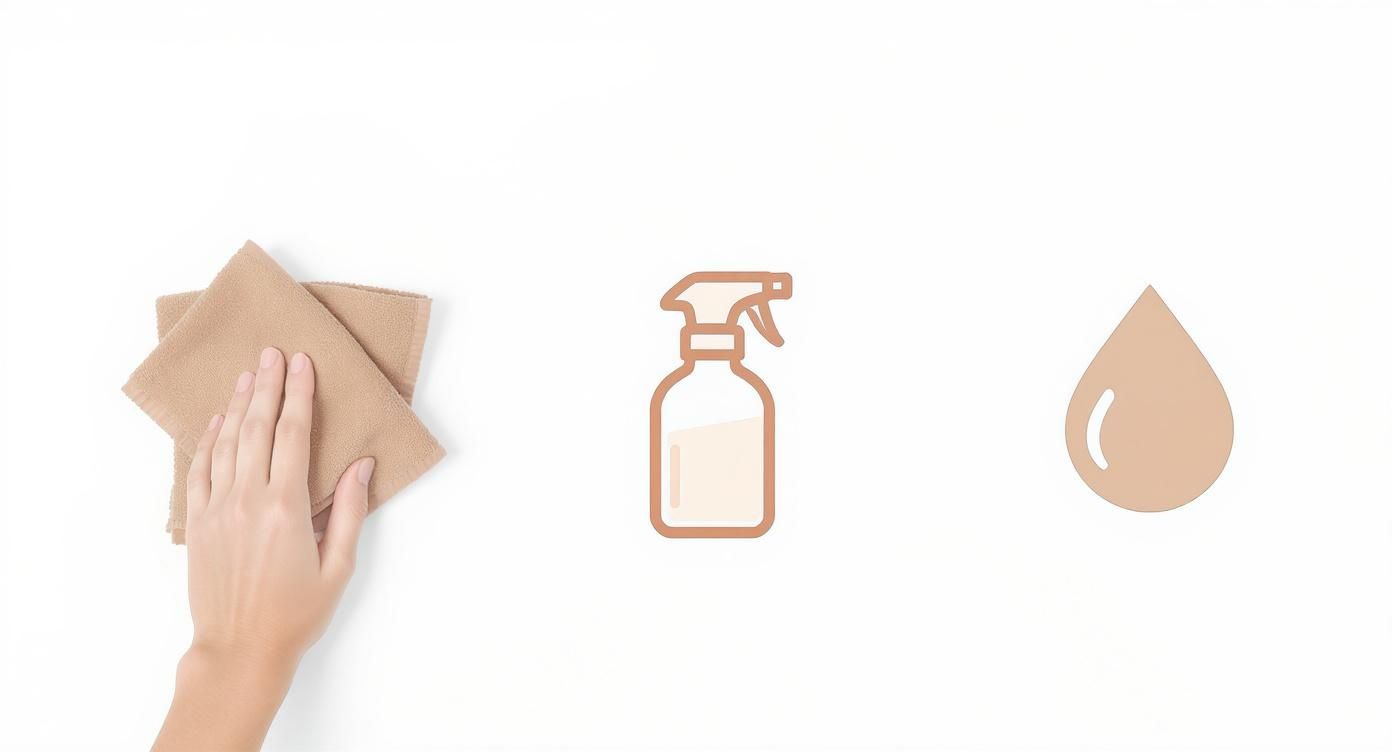
This just reinforces the golden rule: gentle blotting and rinsing are fundamental. Aggressive scrubbing will only cause damage.
The Washing and Rinsing Process
With the rug damp, it’s time to apply your soapy water. Grab a soft-bristled brush with a long handle and gently work the solution into the pile. Always brush in the direction of the pile, never against it. If you work against the grain, you can stress and break the hand-tied knots.
Your goal is not to scrub. It is to gently agitate the fibers just enough to release surface-level dirt. Give extra attention to any heavily soiled areas, but keep a light touch.
Now for the most important part: rinsing. You must get every last bit of soap residue out. Any soap left behind will become a dirt magnet, leaving your rug feeling stiff and sticky.
Using your hose on a gentle setting, rinse the rug from top to bottom, letting the water run down the slope. Then, grab a floor squeegee and push the water and suds out of the rug, again, always moving in the direction of the pile.
You will have to repeat this rinse-and-squeegee cycle until the water running off the rug is completely clear. It might take several rounds. Be patient. Rushing this step will ruin all your hard work.
Proper Drying to Prevent Lasting Damage
After all that careful washing and rinsing, you have reached the most critical stage: drying. A bad drying job can cause more permanent damage than the original stain ever did. We are talking about dye bleed, a warped foundation, and a musty smell that never leaves.
The absolute worst thing you can do is hang a sopping wet oriental rug. The weight of waterlogged wool and cotton puts an incredible strain on the weave. It will permanently stretch and distort the rug’s shape, leaving you with ugly ripples and buckles.
Creating the Right Drying Environment
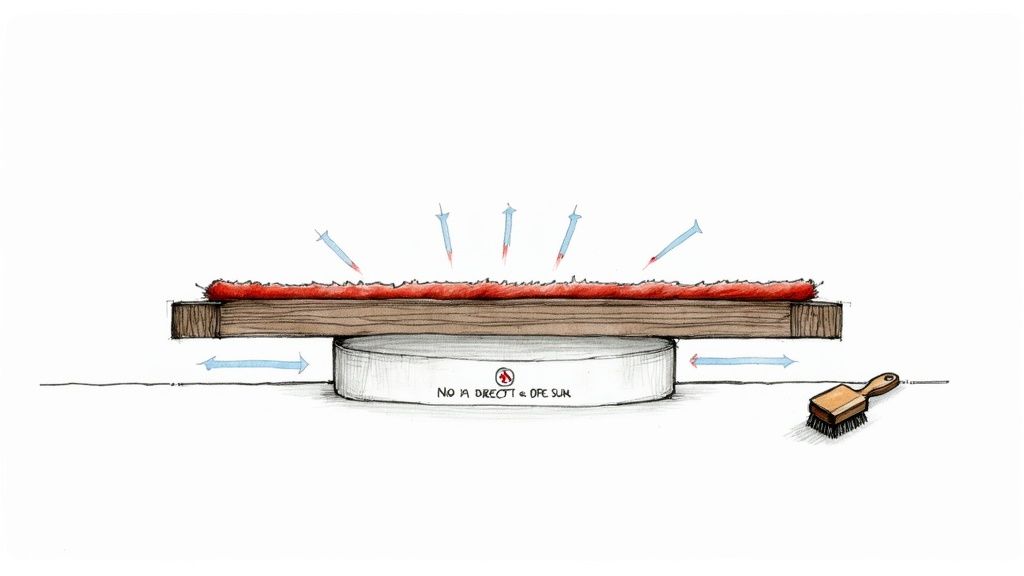
To dry your rug safely, you need two things: even support and consistent airflow. Professionals lay the rug completely flat on a raised, ventilated surface. This setup allows air to circulate freely above, below, and through the rug, so it dries at an even rate.
You can create a similar setup at home using a few clean, sturdy patio chairs or saw horses. The goal is to avoid long, unsupported sections that will sag.
Here’s what to focus on:
- Constant Airflow: Set up fans to blow air across the surface of the rug. A gentle, consistent breeze is what you’re after to help wick away moisture.
- Humidity Control: A dry, low-humidity room is your best friend. If you are drying a rug inside during a humid Birmingham summer, running a dehumidifier nearby will make a world of difference.
- Patience is Key: A dense, hand-knotted wool rug can easily take 24 hours or more to dry completely. Do not rush this part.
Common Drying Pitfalls to Avoid
Direct sunlight is another huge no-no for a wet rug. The intense UV rays can cause vibrant natural dyes to fade unevenly. You will be left with permanent sun bleaching. Always dry your rug in a shaded, well-ventilated spot.
Another non-negotiable step is to flip the rug over every few hours. This ensures the front and back get equal airflow and stops moisture from getting trapped in the foundation. The back of the rug needs to be just as dry as the front pile.
A damp foundation is the perfect breeding ground for mold and mildew. Once that takes hold deep inside the rug's structure, it is incredibly difficult to get out and can compromise the rug's integrity. Taking the extra time to dry it properly is absolutely essential.
Final Grooming for a Perfect Finish
Once you are 100% certain the rug is bone-dry from front to back, it’s time for the final touch. The washing process can leave the pile looking matted or pushed in the wrong direction.
To bring back its soft, uniform texture, grab a soft-bristled brush and gently brush the pile in its natural direction. This lifts the fibers and restores that plush, velvety feel. It’s a simple step that makes a huge difference.
The demand for this kind of detailed professional care is growing. Market dynamics show North America is a major hub, driven by a greater awareness of home hygiene. For many homeowners in areas from Mountain Brook to Madison, trusting a professional rug washing expert is simply the safest and most effective choice. You can find more insights on the growing rug care market in this market research report.
When to Call a Professional Rug Cleaner
Knowing your limits is the most important skill you can have when caring for a valuable Oriental rug. DIY methods are fantastic for small spills and routine upkeep, but some situations are too risky to tackle at home. Recognizing these red flags is the key to preventing irreversible damage.
For homeowners in Birmingham, Hoover, and Vestavia Hills, understanding when to call a specialist is what separates a well-maintained rug from a ruined one.
A professional service like ours offers a deep, safe clean that you simply can’t replicate. We are a dedicated, rug-only company. That means we never use harsh equipment or chemicals designed for flooring on your delicate heirlooms. Our technicians are trained rug washing experts.
Red Flags That Demand Professional Attention
Some problems go beyond a simple surface clean. If you see any of the following issues, a DIY attempt will almost certainly make things worse. These jobs demand specialized equipment, climate-controlled environments, and real expertise.
You absolutely need an expert if you see:
- Deep-Set Pet Urine: Pet accidents are one of the most destructive things that can happen to a rug. The uric acid crystals do not just stain; they can cause permanent fiber damage and make dyes bleed. A professional immersion wash is the only way to truly dissolve and flush them out for complete odor removal.
- Significant Water Damage: A burst pipe or flood is a rug emergency. The rug needs proper sanitizing to kill mold and mildew. More importantly, it must be dried in a climate-controlled room to stop it from shrinking and warping.
- Mold or Mildew: If you see or smell even a hint of mold or mustiness, you have a serious problem. Mold spores are a health hazard, and they will eat away at the natural fibers, destroying the rug's structural integrity. Professionals use specific treatments to kill the mold and safely remove it.
- Bleeding or Running Dyes: Did your colorfastness test show even a tiny bit of dye transfer? Stop everything. Unstable dyes need a specialized, pH-balanced submersion bath to set the colors before any real washing can begin. It’s a delicate science and impossible to manage at home.
- Fragile, Antique, or Silk Rugs: Some rugs are just too delicate for any DIY washing. Silk is incredibly sensitive to water. Antique rugs often have brittle foundations or old repairs that need an expert's gentle, practiced touch.
This table breaks down the most common scenarios to help you make the right call.
DIY vs Professional Rug Cleaning: When to Make the Call
Use this table to decide if your rug cleaning situation is safe for a DIY approach or requires professional expertise.
| Cleaning Scenario | Recommended Action (DIY) | Recommended Action (Professional) |
|---|---|---|
| Small, fresh food or drink spill | Yes, carefully blot and use a mild, pH-neutral solution. | Only if the stain sets or involves a substance like red wine on a light rug. |
| General dust and surface dirt | Yes, gentle vacuuming without a beater bar is perfect. | Recommended every 1-3 years for a deep, full immersion dusting and wash. |
| Pet urine (fresh or old) | No, surface cleaning cannot remove uric acid crystals. | Always. This requires a specialized enzyme treatment and full submersion wash. |
| Extensive water saturation/flood | No, improper drying will cause mold and permanent warping. | Always. Professionals have drying rooms and sanitizing treatments. |
| Mold, mildew, or musty odors | No, this indicates a deep problem within the rug's foundation. | Always. This is a health hazard and requires expert remediation. |
| Antique, silk, or damaged rug | No, the risk of causing further damage is extremely high. | Always. These rugs need the gentle, controlled methods of a specialist. |
At the end of the day, the goal is to protect your investment. Professional rug cleaning is about preserving the art, craftsmanship, and value of your rug for generations.
For residents throughout Alabama—from Tuscaloosa and Montgomery to Huntsville and Anniston—choosing a rug-only expert is the safest decision you can make. To see exactly what we mean, you can learn more about Rubber Ducky Rug Cleaning in Birmingham and see why our specialized process gets superior results.
When in doubt, always call for a professional opinion. It’s a small step that can save you from a very costly mistake.
Your Top Rug Cleaning Questions Answered
We get many questions from our clients across Birmingham and Central Alabama about how to care for their oriental rugs. Here are the answers to a few of the most common ones.
How Often Should I Clean My Oriental Rug?
For everyday upkeep, gentle vacuuming once a week is a great habit. Just be careful to avoid the fringe.
For the deep-down, abrasive grit trapped in the foundation, a professional rug washing is your best bet. We recommend a deep clean every 1 to 3 years. The exact timing depends on your lifestyle. A rug in a high-traffic hallway or a home with kids and pets will need it more often than one in a quiet dining room.
Can I Use a Steam Cleaner on an Oriental Rug?
Please do not. You should never use a steam cleaner on an oriental rug. It is one of the fastest ways to cause irreversible damage.
The intense heat and massive amount of water can make the natural wool fibers shrink, cause delicate dyes to bleed, and trap moisture deep in the rug’s foundation. This creates a perfect environment for mold and mildew.
What Is the Best Homemade Rug Cleaning Solution?
For a quick, minor spot clean, simple is always safest. You can mix a few drops of a clear, pH-neutral dish soap with cool water. Another good option is a solution of one part white vinegar to two parts cool water.
Crucial Tip: Always test your cleaning mix on a small, inconspicuous spot first. A corner or the back of the rug works well. This quick test ensures the dyes are colorfast and will not run.
When you’re facing stubborn stains, lingering pet odors, or just want a thorough cleaning that protects your investment, it's time to call in the pros. At Rubber Ducky Rug Cleaning, we provide specialized, professional care for rugs throughout Birmingham, Hoover, and Vestavia Hills. Give us a call, send a text, or book online today for a free quote. Find out more at Rubber Ducky Rugs Birmingham.